

If you are a teacher in the UK today, you are likely part of a dedicated, hardworking, and increasingly exhausted group. While the joy of seeing a student finally “get it” is unmatched, the weight of the profession has grown significantly. Consequently, more educators than ever are seeking alternative jobs for teachers in the UK to regain control over their lives.
Perhaps you find yourself scrolling through Kent Teach jobs late at night or searching for careers outside of teaching on your lunch break. You are not alone. In fact, the latest reports from the 2025 Teacher Wellbeing Index show that 77% of UK education staff experience symptoms of poor mental health due to work. Therefore, exploring alternative careers for teachers is no longer a sign of “giving up”—it is a proactive step toward a healthier, more balanced future.
In this comprehensive 2026 guide, we will explore what other jobs teachers can do and how you can successfully pivot into a new role where your skills are truly celebrated.
The Reasons Behind Leaving Teaching for a New Career in the UK
Many teachers in the UK choose to leave the classroom for a variety of personal and professional reasons. Understanding these motivations can shed light on the growing trend of educators seeking alternative careers.
1. Work-Life Balance
Teaching is demanding, with long hours spent preparing lessons, marking, and managing extracurricular responsibilities. Many educators leave the profession in search of roles that offer more predictable hours and more time for personal life.
2. Burnout and Stress
High workloads, large class sizes, and constant pressure to meet targets can lead to teacher burnout. Stress and mental fatigue often push educators to explore careers that are less emotionally and physically draining.
3. Desire for Higher Earnings
While teaching offers stability, salaries can be limited compared to other sectors. Many teachers switch careers to pursue better financial opportunities and improve their standard of living.
4. Lack of Career Progression
In the UK, opportunities for advancement within teaching can be limited, especially outside of leadership roles. Teachers seeking professional growth may look to other industries for faster and broader career development.
5. Desire for New Challenges and Skills Development
Some educators crave fresh challenges or want to develop new skills beyond classroom management and pedagogy. Alternative careers provide opportunities to diversify their expertise and take on exciting responsibilities.
6. Frustration with Educational Policies and Bureaucracy
Frequent policy changes, administrative demands, and heavy bureaucracy can make teaching feel restrictive. Teachers may leave to work in environments with greater autonomy and decision-making freedom.
7. Impact on Personal Well-Being
Ultimately, the cumulative effect of stress, lack of growth, and poor work-life balance can affect mental and physical well-being. Many educators prioritise their health and happiness by transitioning to new careers.
Navigating the Emotional Challenges of Leaving Teaching for a New Career
Leaving a teaching career can be an emotionally complex journey. For many educators in the UK, moving on means confronting feelings of guilt, fear, and uncertainty while seeking new personal and professional fulfilment.
1. Grappling with Guilt and Doubt
Teachers often feel guilty about leaving students and colleagues behind. Doubts about whether they are making the right decision can linger, making the transition emotionally challenging.
2. Coping with the Loss of Identity
For many, teaching is more than a job—it is a core part of their identity. Leaving the classroom may create a sense of loss, as educators navigate who they are outside of the teaching profession.
3. Managing the Fear of the Unknown
Stepping into a new career brings uncertainty. Concerns about starting over, learning new skills, or fitting into a different workplace can create anxiety and stress.
4. Dealing with the Reactions of Others
Friends, family, and former colleagues may have strong opinions about leaving teaching. Educators often face mixed reactions, from support to scepticism, which can add pressure during the transition.
5. Finding New Sources of Fulfilment
Leaving teaching provides an opportunity to explore passions, strengths, and career paths that align more closely with personal goals. Discovering what brings genuine satisfaction is key to long-term happiness.
6. Building a Support System
Connecting with mentors, career coaches, or peers who have made similar transitions can provide guidance and reassurance. A strong support network helps ease the emotional strain of a career change.
7. Embracing the Opportunity for Growth
Despite challenges, moving on from teaching allows for personal and professional growth. Embracing change can lead to new skills, experiences, and a renewed sense of purpose.
Is Leaving Teaching Right for You? Key Questions to Consider Before Making the Leap
Deciding to leave teaching is a major life choice. Reflecting on your motivations, goals, and readiness can help ensure that your transition leads to a fulfilling new career. Here are some key questions to guide your decision:
1. What Are Your Primary Reasons for Wanting to Leave?
Understanding why you want to move on—whether it’s work-life balance, stress, or career growth—helps clarify whether leaving teaching is the best option.
2. Are You Prepared for the Financial Impact?
Some career changes may involve a temporary pay cut or retraining costs. Assessing your financial readiness ensures a smoother transition.
3. What Are Your Transferable Skills?
Teaching equips you with skills like communication, organisation, leadership, and problem-solving. Identifying how these skills apply to other roles can open up new opportunities.
4. What Are Your Long-Term Career Goals?
Consider where you want to be in 5–10 years. Will leaving teaching align with your aspirations and personal growth?
5. Are You Open to Retraining or Further Education?
Some alternative careers may require additional qualifications or professional development. Being willing to learn can expand your career options.
6. Have You Explored All Options Within the Education Sector?
Before leaving, consider other education-related roles such as tutoring, curriculum design, or educational consultancy. These roles may offer new challenges without leaving the field entirely.
7. How Will This Decision Affect Your Personal Life?
A career change can impact your family, social life, and daily routine. Reflect on the broader effects before making a move.
8. Are You Emotionally Ready for a Career Change?
Leaving a profession you’ve invested in can be stressful. Consider whether you’re prepared to handle the uncertainty and challenges of starting fresh.
9. Have You Researched Potential Career Paths Thoroughly?
Investigate job markets, responsibilities, and growth opportunities. The more information you have, the better equipped you’ll be to make a confident choice.
10. What Are the Potential Benefits of Staying in Teaching?
Sometimes, adjusting your current role, seeking support, or exploring leadership opportunities can address dissatisfaction without leaving the profession entirely.
How to Transition from Teaching to a New Career: A Step-by-Step Guide
Leaving teaching for a new career can feel daunting, but with a clear plan, you can make a smooth and successful transition. Follow these steps to navigate your journey with confidence:Step 1: Self-Assessment and Reflection
Start by evaluating your strengths, interests, and motivations. Ask yourself: What skills have I developed as a teacher? What work environment suits me best? Recognising your transferable skills—such as communication, leadership, and problem-solving—will help you identify roles where you can thrive.Step 2: Research Potential Career Options
Investigate industries and roles that match your skills and aspirations. Consider growth prospects, responsibilities, and salary expectations. Reach out to professionals in those fields, attend webinars, and read industry insights to understand which paths are realistic and fulfilling.Step 3: Upgrade Your Skills and Qualifications
Some career paths may require additional training or certifications. Enroll in relevant courses, attend workshops, or pursue online programs to enhance your knowledge. Upskilling not only improves your employability but also boosts confidence in your ability to succeed in a new environment.Step 4: Revamp Your CV and LinkedIn Profile
Tailor your CV to highlight transferable skills and achievements relevant to your target career. Update your LinkedIn profile to reflect your new career goals, showcase your skills, and engage with relevant industry content. A strong online presence increases your visibility to potential employers.
Salary Comparisons: Teaching vs. Alternative Careers (UK)
Average One of the key reasons teachers consider leaving the classroom is the potential to earn more in other fields. Here’s a comparison of average UK salaries for teachers versus some popular alternative careers:
| Role | Average UK Salary | Notes |
|---|---|---|
| Secondary School Teacher | £28,000 – £42,000 | Depends on experience and location |
| Corporate Trainer | £30,000 – £50,000 | Can rise significantly with experience |
| Educational Consultant | £35,000 – £60,000 | Freelance options can increase earnings |
| Instructional Designer | £35,000 – £55,000 | Particularly in e-learning and EdTech |
| Project Manager | £40,000 – £65,000 | Varies by industry and level |
| Human Resources Manager | £40,000 – £60,000 | Senior roles can exceed £70,000 |
| Sales Manager | £35,000 – £60,000 + commission | Performance-based bonuses possible |
| Curriculum Developer | £30,000 – £50,000 | Depends on organisation type |
| Educational Technology Specialist | £35,000 – £55,000 | High demand in tech-focused schools or companies |
| Public Relations Manager | £40,000 – £65,000 | Salaries are higher in corporate or media firms |
Note: Salaries vary by location, experience, and employer.
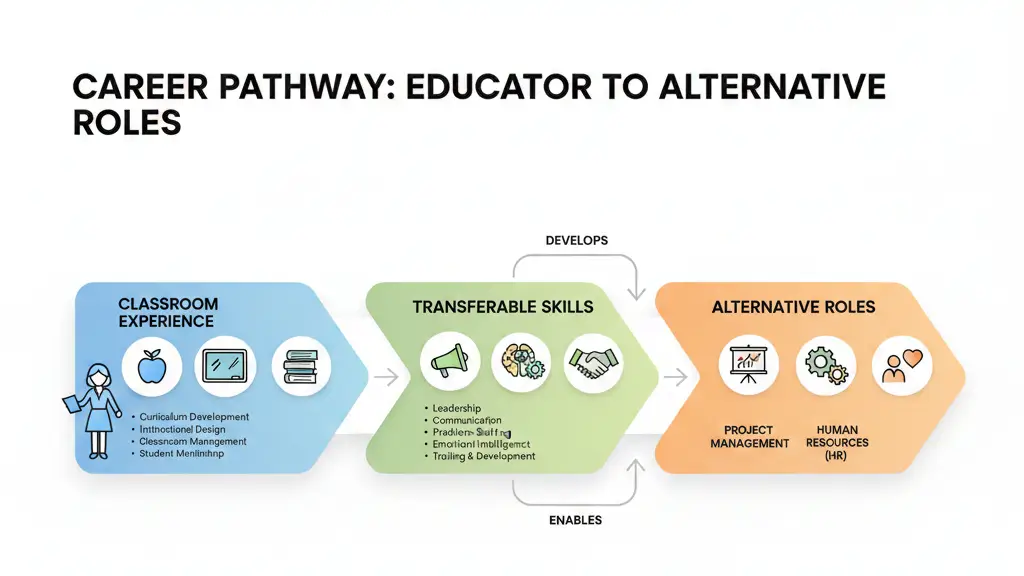
High-Paying Jobs for Former Teachers: Where Your Skills Shine
Teachers develop a wide range of valuable skills—communication, leadership, organisation, and problem-solving—that can open doors to high-paying careers outside the classroom. Here are some top roles where your experience can make a real impact:
1. Corporate Trainer
Use your teaching and presentation skills to design and deliver training programs for employees in businesses, helping teams develop professionally.
2. Educational Consultant
Advise schools, educational institutions, or government bodies on curriculum design, teaching strategies, and educational policies.
3. Instructional Designer
Create engaging learning materials, courses, and e-learning content for organisations, using your expertise in pedagogy and curriculum planning.
4. Project Manager
Leverage your organisational, planning, and leadership skills to manage projects across industries, ensuring goals are met on time and within budget.
5. Human Resources Manager
Utilise your communication and people-management skills to oversee recruitment, staff development, and workplace policies in companies.
6. Sales Manager
Apply your presentation and persuasion skills to drive sales, manage teams, and develop client relationships in a variety of industries.
7. Curriculum Developer
Design educational programs, lesson plans, and teaching resources for schools, online platforms, or training organisations.
8. Educational Technology Specialist
Combine your teaching experience with tech skills to implement learning software, manage digital tools, and support technology-driven education.
9. Public Relations Manager
Use your communication, writing, and presentation skills to manage an organisation’s public image, media relations, and campaigns.
How to Leverage Your Teaching Skills in the Corporate World
Teachers develop a wide range of skills that are highly valued in corporate roles. By translating these abilities effectively, former educators can thrive in business, management, and professional development positions.
1. Communication and Presentation Skills
Clear, persuasive communication is essential in teaching and equally critical in corporate settings, whether presenting to clients, leading meetings, or training staff.
2. Curriculum Development and Training Design
Experience designing lesson plans and educational programs translates seamlessly into creating corporate training modules, onboarding programs, and professional development workshops.
3. Leadership and Team Management
Managing classrooms, mentoring students, and collaborating with colleagues equips teachers with leadership skills applicable to managing teams, projects, and departments.
4. Problem-Solving and Adaptability
Teachers often solve unexpected challenges daily and adapt lesson plans on the fly—skills that are invaluable for navigating complex business environments.
5. Empathy and Interpersonal Skills
Understanding individual needs and building strong relationships with students equips teachers to manage teams, resolve conflicts, and maintain a positive workplace culture.
6. Time Management and Organisation
Balancing lesson planning, grading, and extracurricular duties honours time management and organisational skills—essential for meeting deadlines and managing corporate responsibilities efficiently.
7. Assessment and Evaluation
Teachers regularly assess student progress and provide constructive feedback, a skill that transfers to evaluating team performance, project outcomes, and business strategies.
8. Creativity and Innovation
Designing engaging lessons fosters creativity, which can be applied to problem-solving, marketing strategies, and innovative corporate solutions.
9. Continuous Learning and Professional Development
Teachers are lifelong learners, staying updated on educational trends. This mindset is highly valuable in corporate roles that require upskilling and adapting to evolving industry demands.
10. Networking and Building Professional Relationships
Collaboration with colleagues, parents, and administrators develops networking and relationship-building skills, which are essential in corporate environments for partnerships, client relations, and career growth.
The Best Freelance Opportunities for Former Teachers
Leaving teaching doesn’t mean leaving the education sector entirely. Many former teachers find freedom, flexibility, and lucrative opportunities through freelance and contract work. Here are some of the best options:
1. Educational Writing and Editing
Leverage your expertise to write textbooks, learning guides, articles, or educational materials. You can also provide editing services for academic content.
2. Curriculum Development
Design learning programs, lesson plans, or training modules for schools, online platforms, and educational organisations on a freelance basis.
3. Online Tutoring
Teach students one-on-one or in small groups via online platforms, offering flexible hours and the ability to reach learners across the UK and globally.
4. Educational Consulting
Provide advice to schools, organisations, or parents on teaching strategies, curriculum design, or learning outcomes, working independently or on short-term contracts.
5. Test Prep Coaching
Help students prepare for exams such as GCSEs, A-Levels, or university entrance tests, using your experience to improve scores and build confidence.
6. Freelance Blogging or Content Creation
Create educational content, blogs, videos, or social media posts. Teachers’ knowledge and communication skills make them excellent content creators for educational audiences.
7. Virtual Assistant for Educational Businesses
Support online learning companies, tutoring services, or education startups with administrative tasks, content management, or coordination.
What Other Jobs Can Teachers Do in the UK?
Beyond freelance work, former teachers have opportunities in corporate training, human resources, project management, educational technology, sales, and public relations. The key is leveraging transferable skills like communication, leadership, organisation, and problem-solving to succeed in diverse fields.
Tips for a Successful Career Change
Transitioning from teaching to a new career can be exciting but also challenging. These tips can help make your journey smoother and more successful:
1. Stay Patient and Persistent
Career changes take time. Don’t get discouraged by setbacks or slow progress. Consistency and perseverance are key to finding the right role.
2. Build a Network in Your New Field
Connect with professionals in your target industry through networking events, LinkedIn, or online communities. Relationships can open doors to opportunities and provide valuable advice.
3. Upskill Regularly
Continuously learn new skills relevant to your chosen career. This could include online courses, certifications, workshops, or attending industry seminars. Staying current improves your employability.
4. Embrace Change and a Growth Mindset
Be open to new experiences and challenges. Viewing obstacles as opportunities to learn and grow will make your transition smoother and more rewarding.
5. Seek Mentorship and Guidance
Find mentors who have successfully transitioned from teaching or have experience in your target field. Their guidance can help you avoid common pitfalls and make informed decisions.
High-Paying Alternative Jobs for Teachers UK
One of the biggest myths is that teachers can’t earn good money elsewhere. On the contrary, your ability to manage people and present information makes you a “gold mine” for the corporate world.
Corporate Trainer & L&D (Learning and Development)
Companies like Deloitte, BAE Systems, and NHS Trusts are always looking for people who can teach adults. As a Corporate Trainer, you use your lesson-planning skills to onboard new staff. These are fantastic career opportunities for ex-teachers because they feel familiar but offer a much more professional, respectful atmosphere.
Instructional Designer
If you love the “behind the scenes” of teaching, this is for you. Instructional Designers create digital learning modules for businesses. With the UK EdTech market projected to reach £50 billion by 2035, this is a high-growth area for jobs outside of teaching.
Project Manager
Think about a typical school day. You manage resources, hit deadlines, handle stakeholders (parents), and lead a team (the class). This is exactly what a Project Manager does. Transitioning into alternative occupations for teachers, like project management, often results in a significant pay rise.
Remote and Work-From-Home Jobs for Ex-Teachers UK
For those seeking ultimate flexibility, the digital world offers endless online employment for teachers.
Online Tutoring & Academic Coaching
You don’t have to leave teaching entirely to leave the classroom. Platforms like Tutor Hunt or MyTutor allow you to focus on the part of the job you love: the actual teaching. Furthermore, work-from-home jobs for ex-teachers in tutoring allow you to set your own hourly rates, often exceeding your previous hourly pay.
Educational Writing and Curriculum Development
UK exam boards like AQA and Pearson constantly need former teachers to write exam papers and textbooks. This is a great way to use your expertise while working from your home office in your pyjamas.
EdTech Specialist
Working for a startup that creates educational software is a natural fit. Roles in “Customer Success” involve training other teachers on how to use new tools. This is one of the most popular job opportunities for former teachers because it bridges the gap between your old life and your new career.
Non-Teaching Jobs in the Education Sector
If you love the sector but hate the classroom, there are plenty of non-teaching jobs in education sector ni and across the wider UK.
– Education Consultant: Advising schools on how to improve their results or implement new technologies.
– Admissions Officer: Working at a university or private college to manage student applications.
– Education Officer: Many UK museums and charities (like the National Trust) hire educators to run their public programmes.
How to Transition: A Step-by-Step Guide for Ex-Teachers
Step 1: Translate Your “Teacher-Speak”
The corporate world doesn’t use words like “differentiation” or “scaffolding.” Therefore, you must translate these into business terms. For example:
– “Differentiation” becomes “Tailoring services to diverse stakeholder needs.”
– “Classroom Management” becomes “Team leadership and conflict resolution.”
– “Safeguarding” becomes “Regulatory compliance and risk management.”
Step 2: Revamp Your LinkedIn
LinkedIn is where ex teachers wanted searches happen. Ensure your profile highlights your results, not just your duties. Instead of saying you “taught Year 6,” say you “delivered a 15% increase in literacy attainment through data-driven intervention.”
Step 3: Upskilling
Sometimes you need a little “extra” to stand out. Consider a short course in:
– PRINCE2 (for Project Management)
– CIPD (for Human Resources)
– Google Analytics (for Marketing roles)
Job Search Strategy for Ex-Teachers
A successful career transition isn’t just about choosing the right role—it’s about how you approach the job search. Former teachers often struggle not because they lack skills, but because they use ineffective job-hunting strategies.
Where to Apply for Jobs in the UK
– LinkedIn – Essential for professional roles such as corporate training, HR, project management, and EdTech. Optimise your profile and apply directly through job posts.
– Reed.co.uk – Strong for career changers and education-adjacent roles across the UK.
– Indeed.co.uk – Useful for a wide range of roles, including entry-level and part-time positions.
– EdTech Startups & Company Websites – Many education technology companies advertise roles only on their own websites. Roles such as instructional designer, learning consultant, and training specialist are common.
– Recruitment Agencies – Especially helpful for contract, freelance, and career-change roles.
Conclusion: Embracing Your Future Outside the Classroom
Leaving a career in education is a brave and often necessary step. Whether you are looking for alternative careers for educators to escape the stress or simply to find a new challenge, the UK job market in 2026 is full of opportunities. You have spent years nurturing the potential of others; now, it is time to nurture your own.
Remember, your identity is not defined by your QTS (Qualified Teacher Status). You are a skilled communicator, a master organiser, and a resilient leader. Whether you end up in a high-rise office in London or a remote role from a cottage in the Cotswolds, your future is bright.
Frequently Asked Questions (FAQs)
Teachers can move into HR, Sales, Project Management, Corporate Training, or EdTech. Their skills in communication and organisation are highly transferable to almost any office-based role.
Search specific job boards like LinkedIn, Indeed, and specialist sites like “Those Who Can.” Use keywords like alternative jobs for teachers or “Learning and Development.”
Yes. Many ex-teachers work as part time instructor jobs or academic coaches. This allows for a “semi-retirement” feel while keeping a foot in education.
Your teacher’s pension is “frozen” at the point you leave. It will still be there for you when you retire, but you will stop making active contributions from your salary.
In the UK, the standard resignation dates are October 31st, February 28th, and May 31st. However, many corporate roles hire year-round, so you may need to negotiate your notice period.