
Overview Learn essential life-saving skills with our CPR (Cardiopulmonary Resuscitation) Training course. This comprehensive program equips you with the knowledge …
( 2 Reviews )
5 Students
Learn essential life-saving skills with our CPR (Cardiopulmonary Resuscitation) Training course. This comprehensive program equips you with the knowledge and hands-on techniques needed to respond confidently in emergency situations. From assessing the scene to performing CPR and using an AED, you’ll gain critical abilities that can make a difference when every second counts. Whether you’re a healthcare professional, workplace safety officer, or concerned individual, this course prepares you to act effectively and potentially save lives.
On Completion of this online course, you’ll acquire:
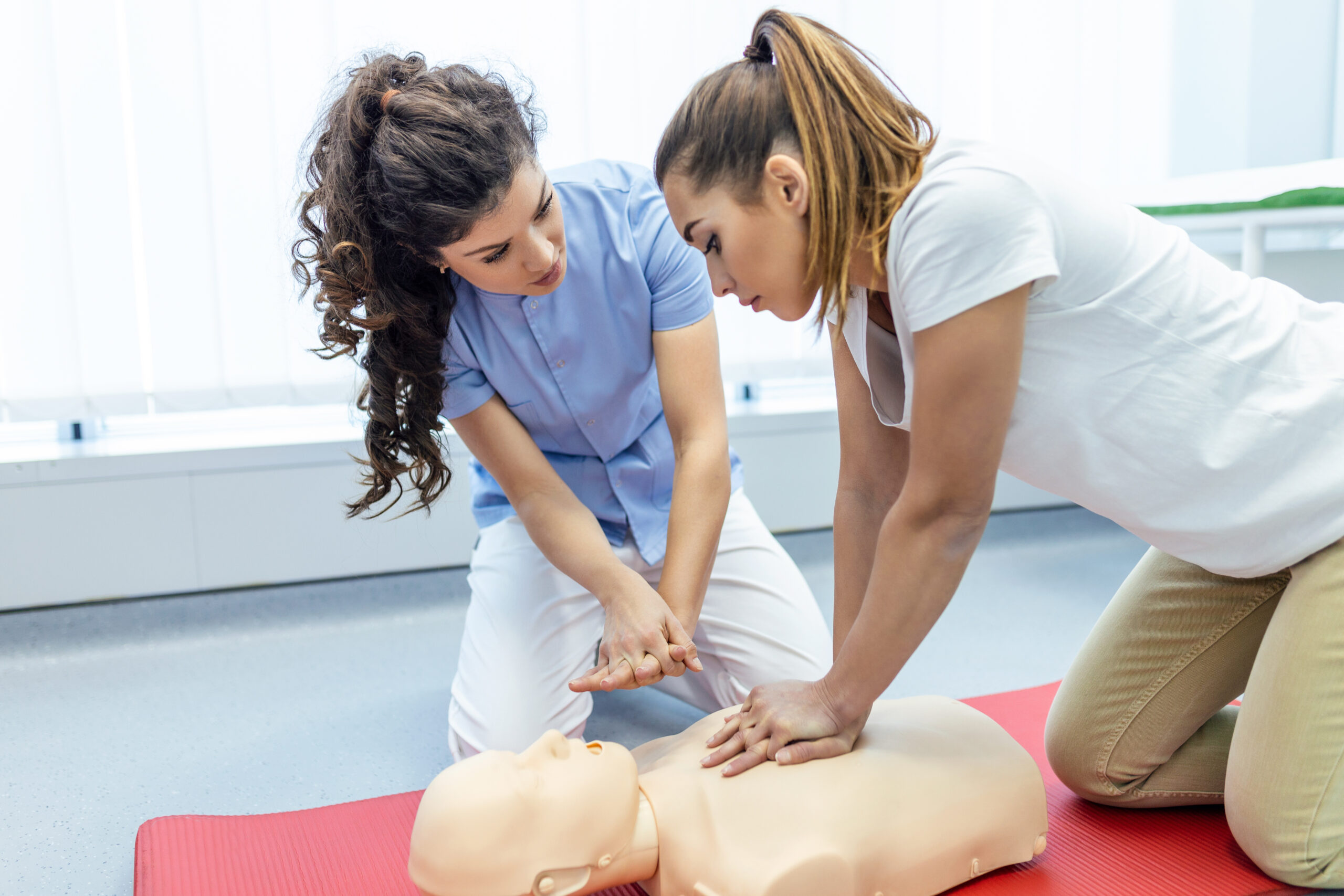
Our CPR Training course is designed to empower participants with essential life-saving skills. Through a combination of theoretical learning and practical demonstrations, you will learn how to recognize cardiac arrest, perform effective chest compressions, deliver rescue breaths, and operate an AED safely. Expert instructors guide you through simulations of real-life scenarios, ensuring you are prepared to respond calmly and effectively in emergencies. This course emphasizes hands-on practice to build confidence and readiness, equipping you with the ability to potentially save lives in various settings. Upon completion, you will receive certification recognized nationally, validating your proficiency in CPR.
This course is ideal for healthcare professionals, first responders, workplace safety teams, childcare providers, lifeguards, and individuals seeking essential CPR certification. It is also valuable for anyone interested in learning life-saving skills to respond effectively in emergencies.
No prior CPR knowledge is required. Participants should have a willingness to learn and actively participate in hands-on training exercises. Access to a computer or mobile device with internet connectivity is necessary for accessing course materials and virtual training sessions.
Upon successful completion of the CPR (Cardiopulmonary Resuscitation) Training course, learners can obtain both a PDF certificate and a Hard copy certificate for completely FREE. The Hard copy certificate is available for a nominal fee of £3.99, which covers the delivery charge within the United Kingdom. Additional delivery charges may apply for orders outside the United Kingdom.
| CPR (Cardiopulmonary Resuscitation) Training | |||
| Introduction to CPR | 00:04:00 | ||
| Procedure for CPR | 00:04:00 | ||
| Dealing with Unconsciousness and Providing CPR | 00:06:00 | ||
| Breathing Problems and Aid | 00:05:00 | ||
| Workbook | |||
| Workbook – CPR (Cardiopulmonary Resuscitation) Training | 00:06:00 | ||
| Additional Reading Materials | |||
| Additional Reading Materials – CPR (Cardiopulmonary Resuscitation) Training | 00:00:00 | ||
| Additional Video Materials – CPR (Cardiopulmonary Resuscitation) Training | 00:00:00 | ||
In the UK, the social care system is mainly managed by the local councils. People are directly employed by the councils. They often work together with the health commissioners under joint funding arrangements. Some people work for private companies or voluntary organizations hired by local councils. They help the local councils with their personal social services.
14-Day Money-Back Guarantee
COPYRIGHT © 2021 One Education
Oops! We could not locate your form.