
Overview Explore the fascinating world of microbiology with our Diploma course. Covering foundational principles to advanced topics, this comprehensive program …
( 1 Reviews )
7 Students
Explore the fascinating world of microbiology with our Diploma course. Covering foundational principles to advanced topics, this comprehensive program equips you with the knowledge and skills crucial for understanding microorganisms’ roles in health, industry, and the environment.
On Completion of this online course, you’ll acquire:
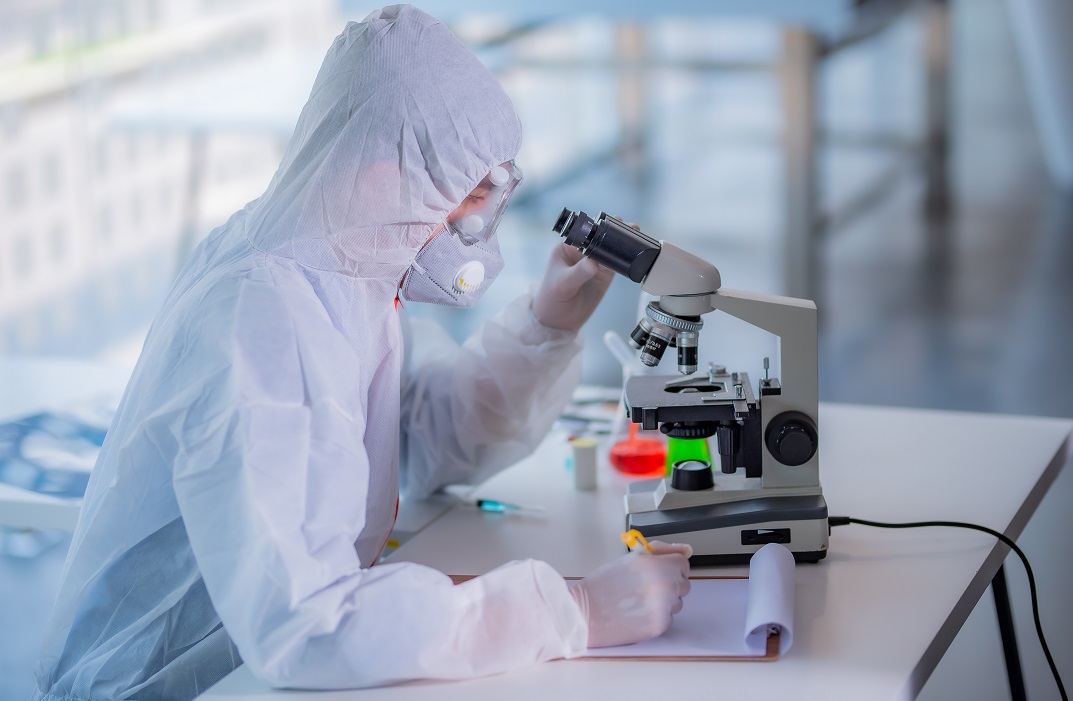
Our Diploma in Microbiology offers an in-depth study of microorganisms, including bacteria, viruses, fungi, and parasites. You’ll delve into their characteristics, genetics, and ecological roles. Practical laboratory sessions will hone your skills in culturing, microscopy, and molecular techniques. Learn how microbiology impacts medicine, agriculture, biotechnology, and environmental science. Taught by experienced faculty, this course blends theoretical knowledge with hands-on learning, preparing you for diverse career opportunities in research, healthcare, pharmaceuticals, and more.
This course is ideal for science enthusiasts, undergraduates in biology or related fields, healthcare professionals, and anyone seeking a career in microbiology. Whether you’re starting your academic journey or enhancing your professional skills, our Diploma in Microbiology provides a solid foundation in this critical scientific discipline.
Participants should have a basic understanding of biology and chemistry concepts. Access to a computer with internet and proficiency in English to comprehend course materials and participate in discussions and assessments are essential.
Upon successful completion of the Diploma in Microbiology course, learners can obtain both a PDF certificate and a Hard copy certificate for completely FREE. The Hard copy certificate is available for a nominal fee of £3.99, which covers the delivery charge within the United Kingdom. Additional delivery charges may apply for orders outside the United Kingdom.
| Diploma in Microbiology | |||
| Module 01: Introduction to Microbiology | 00:19:00 | ||
| Module 02: Bacteriology | 00:23:00 | ||
| Module 03: Viruses | 00:16:00 | ||
| Module 04: DNA Viruses | 00:19:00 | ||
| Module 05: Positive-Strand RNA Viruses | 00:18:00 | ||
| Module 06: Negative-Strand RNA Viruses | 00:14:00 | ||
| Module 07: Parasites | 00:14:00 | ||
| Module 08: Fungi | 00:13:00 | ||
| Module 09: Antifungal Medicines | 00:17:00 | ||
| Module 10: Immunology | 00:27:00 | ||
| Module 11: Antibiotics | 00:17:00 | ||
| Module 12: Sexually Transmitted Diseases | 00:19:00 | ||
In the UK, the social care system is mainly managed by the local councils. People are directly employed by the councils. They often work together with the health commissioners under joint funding arrangements. Some people work for private companies or voluntary organizations hired by local councils. They help the local councils with their personal social services.
14-Day Money-Back Guarantee
COPYRIGHT © 2021 One Education
Oops! We could not locate your form.