
What Are Mental Health Problems in Young People?
Mental health problems in young people are emotional, psychological, and behavioural conditions that significantly impact their daily functioning, relationships, and development. These range from common issues like anxiety and low mood to more severe conditions, including depression, eating disorders, self-harm, and psychosis.
Featured Snippet Definition: Mental health problems in young people affect 1 in 5 (20.3%) of those aged 825 in the UK. Common conditions include anxiety disorders, depression, ADHD, and eating disorders. Early intervention is crucial as one-third of adult mental health problems stem from childhood adversity.
Unlike adults, young people often lack the language to express complex emotions. Mental health problems frequently manifest through behavioural changes, physical symptoms, or academic decline rather than verbalised distress. This makes recognition challenging for parents, teachers, and professionals alike.
The Scale of the Crisis
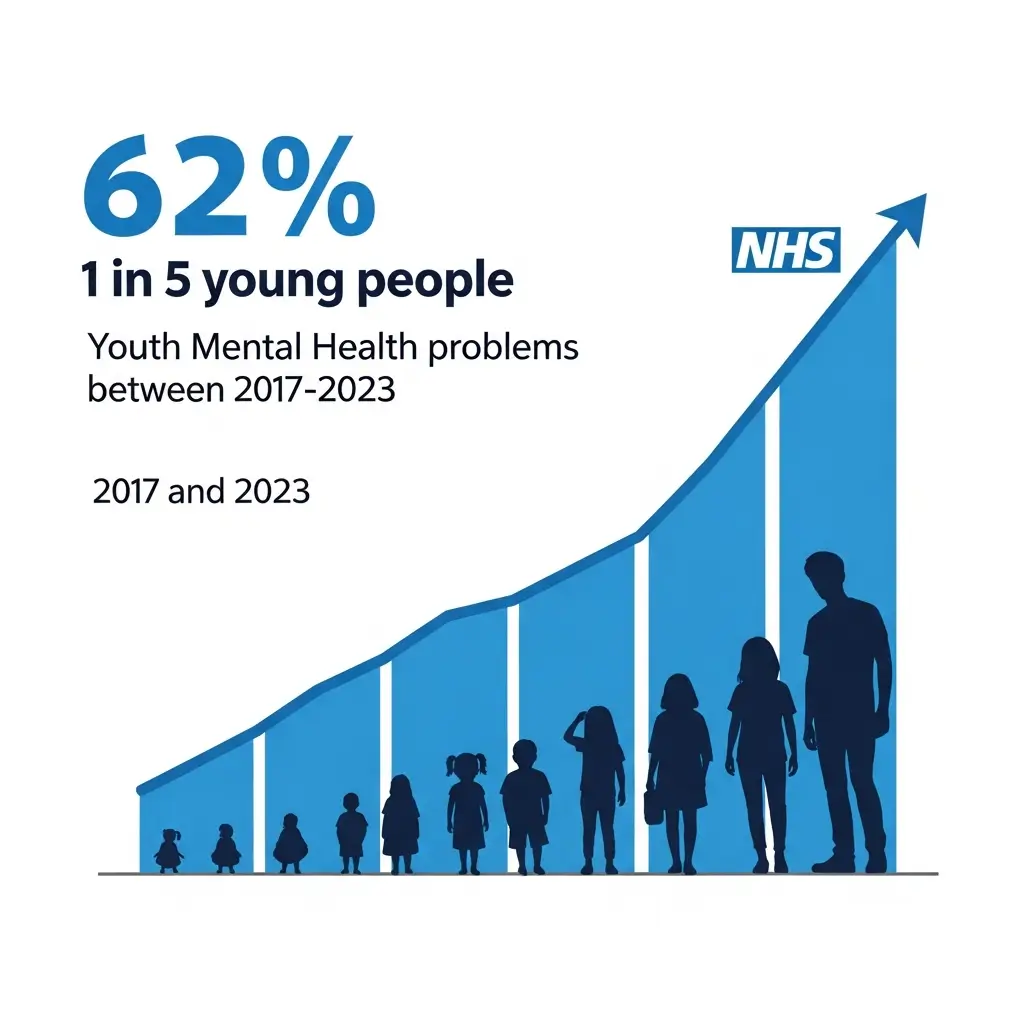
The mental health of children and young people in England has deteriorated dramatically.
| Year | Prevalence (Aged 8–16) | Change |
|---|---|---|
| 2017 | 1 in 8 (12.5%) | Baseline |
| 2023 | 1 in 5 (20.3%) | 62% increase |
Recent data highlights a significant rise in mental health challenges among children and young people in England, emphasising the growing need for accessible mental health support and early intervention services.
Recognising the Signs: Early Warning Indicators
Early recognition is critical for effective intervention. Warning signs vary by age but commonly include:
Behavioural Changes
– Significant withdrawal from friends, family, and activities previously enjoyed
– Aggression, restlessness, or exaggerated reactions to minor stimuli
– Dangerous or out-of-control behaviour
– Ongoing refusal to attend school
Emotional Indicators
– Persistent sadness or low mood lasting two weeks or more
– Severe mood swings affecting relationships
– Overwhelming fear without apparent cause
– Emotional outbursts disproportionate to triggers
Physical Symptoms
– Recurring stomach aches or headaches with no medical cause
– Sleep disorders (oversleeping or insomnia)
– Changes in appetite or unexplained weight loss
– Fatigue and reduced physical energy
Academic and Social Signs
– Sudden decline in academic performance
– Difficulty concentrating or hyperactivity beyond age norms
– Withdrawal from usual friend groups
– Expressing difficulty “fitting in” at school
Critical Warning Signs
– Self-harm behaviours (10% of 1315-year-old referrals)
– Expressing thoughts of suicide or self-harm
– Substance misuse (48% of children in substance treatment have co-occurring mental health needs)
Practical Strategies for Parents and Carers
Starting the Conversation
Creating a safe space for dialogue is fundamental:
– Choose the right moment—quiet, private, and when you’re both calm
– Use open-ended questions: “I’ve noticed you seem worried lately—can you tell me about it?”
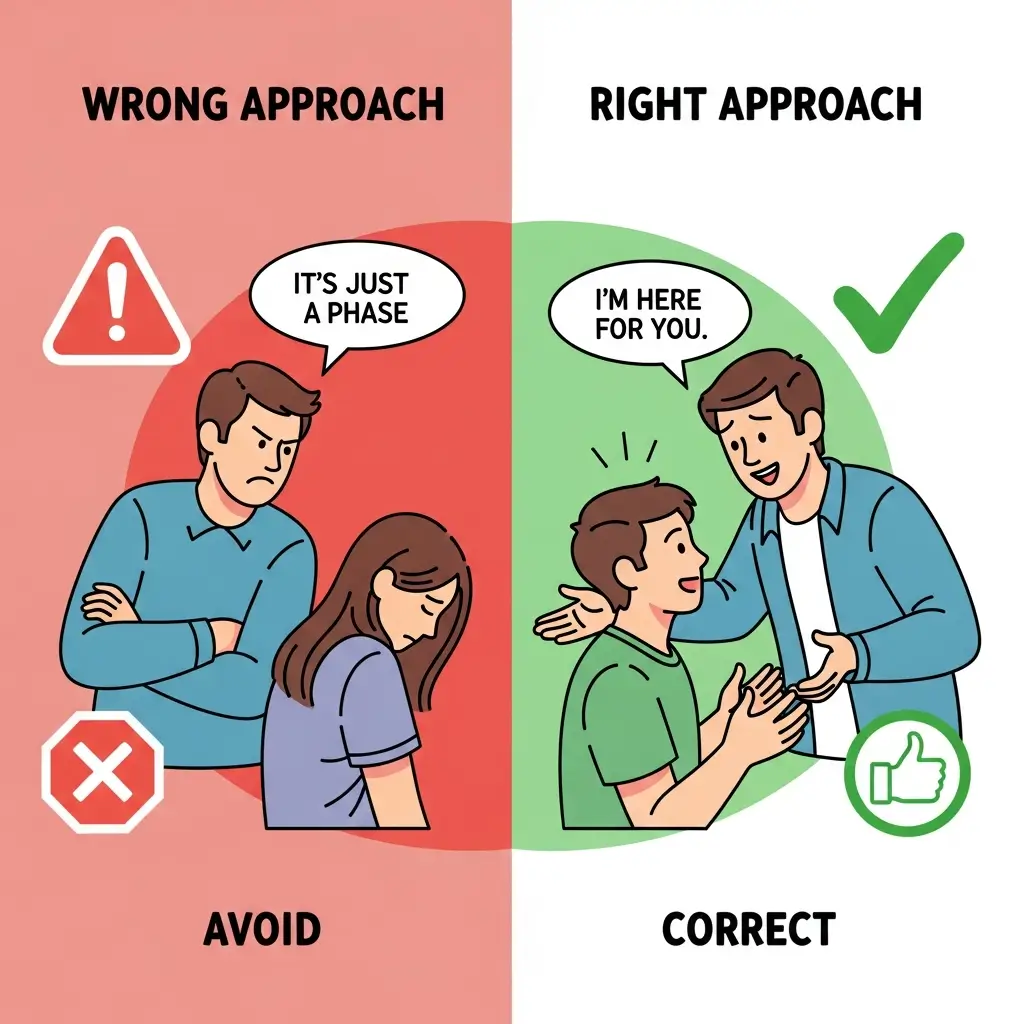
– Validate their feelings: “That sounds really difficult”, rather than “You’ll be fine”
– Avoid dismissive responses: “It’s just a phase” or “Pull yourself together” are harmful
Building Strong Relationships
Research shows that the most important factor for resilience is a stable, committed relationship with a supportive adult. To build this:
– Spend time on activities meaningful to them
– Show unconditional love and acceptance
– Praise their strengths and efforts
– Listen actively without immediately problem-solving
– Encourage them to ask for help and connect them with mentors
Practical Support Strategies
Maintain routine and structure—predictability reduces anxiety and creates security.
Encourage healthy habits:
– Regular physical activity (PE and Sport Premium funding supports this in schools)
– Quality sleep (85% of children with mental health conditions experience sleep disruption)
– Balanced nutrition and hydration
– Limited screen time, especially before bed
Minimise access to means of self-harm by safely storing medications and removing or securing other potential means.
When to Seek Professional Help
Seek professional support if:
– Symptoms persist for more than a few weeks
– Daily functioning is significantly impaired
– There are signs of self-harm or suicidal thoughts
– Physical symptoms have no medical explanation
– School performance has markedly declined
How Schools Can Support Student Mental Health
The WholeSchool Approach
Schools are uniquely positioned to identify and support mental health problems. The UK government is implementing several initiatives:
- Senior Mental Health Leads
Over 15,000 schools and colleges have claimed grants to train a senior mental health lead. These leads develop whole-school approaches to mental health and wellbeing.
- Mental Health Support Teams (MHSTs)
These teams provide early intervention for common issues like anxiety and low mood in school settings. The government aims to cover at least 50% of pupils in England by March 2025.
- Student Voice and Participation
Involving students in decisions that impact them helps them feel part of the school community and benefits their mental health. Schools are encouraged to use surveys, wellbeing ambassadors, and student participation in designing support services.
What Educators Can Do
Create positive, safe, and affirming environments through:
– Antibullying policies and bystander intervention training
– Inclusive language and behaviours
– Later school start times are feasible to support well-being
Recognise signs of distress:
– Withdrawal from normal activities
– Changes in appearance or behaviour
– Academic decline
– Trauma indicators
Provide a continuum of supports:
– Tier 1: Universal prevention and promotion
– Tier 2: Early intervention for at-risk students
– Tier 3: Targeted support for those with identified needs
– Tier 4: Specialist CAMHS referral
Promoting Wellbeing Through Enrichment
The NHS recommends five steps to mental wellbeing that schools can embed:
– Connecting with others
– Keeping physically active
– Learning new skills
– Giving to others
– Paying attention to the present moment
Extracurricular activities, the Duke of Edinburgh’s Award, and the National Youth Guarantee all support these wellbeing pillars.
Navigating Professional Support and CAMHS
Understanding the Pathway
Step 1: Speak to your GP, school nurse, or health visitor about concerns
Step 2: Request a referral to CAMHS (some areas accept self-referrals)
Step 3: Initial assessment to determine if specialist support is needed
Step 4: If accepted, join the waiting list for treatment
Step 5: Treatment may include talking therapies, medication, or specialist interventions
Current Reality: Lengthy Waits
The demand for CAMHS has overwhelmed capacity:
– Average wait: 392 days (over a year) in 2023/24
– 385,540 children were still waiting for first contact in March 2025
– 171,134 young people had referrals closed before accessing support
Alternatives While Waiting
Given lengthy waits, consider these options:
School-Based Support
– Mental Health Support Teams (MHSTs) for early intervention
– School counsellors and nurses
– Pastoral support and wellbeing programmes
Community Services
– Early support hubs offering drop-in services
– Youth clubs and community centres with mental health provision
– Voluntary sector organisations
Charity Support
– YoungMinds—Parents’ Helpline and crisis text service
– Place2Be—School-based counselling
– Barnardo’s—Various mental health services
– Mind—Information and local support
Crisis Services
For immediate danger, go to A&E or call 999. For urgent but not immediate crises, contact crisis lines or out-of-hours GP services.
Community and Alternative Support Options
Intensive Community Support
Some areas offer Intensive Community Support (ICS) as an alternative to inpatient admission. These services provide:
– Intensive community-based mental health support
– Therapeutic interventions in the home
– Risk management and family support
– Prevention of Tier 4 admissions or early discharge support
This approach is suitable for young people with:
– Severe depression impacting daily living
– Significant self-harm or suicide risk
– Severe anxiety or agoraphobia
– Eating disorders are at risk of requiring admission
– Emerging personality disorders
Peer Support and Youth-Led Initiatives
Peer-led interventions such as Wellbeing Ambassador programmes can support the development of positive peer relationships. Young people often find it easier to talk to peers who understand their experiences.
Digital and Remote Options
The expansion of telehealth during and after the pandemic has created new access routes. Some services now offer:
– Online counselling and therapy
– Mental health apps with clinical validation
– Text-based support services
– Virtual group programmes
Building Resilience and Emotional Well-being
Meeting Three Essential Psychological Needs
Research identifies three core needs for healthy mental development :
Autonomy
Give young people freedom to make choices and take appropriate risks. This means:
– Loosening rigid structures where possible
– Encouraging independent problem-solving
– Supporting self-directed learning and decision-making
Competence
Provide tools for success across all life domains:
– Emotional regulation skills
– Conflict resolution techniques
– Problem-solving strategies
– Social skills development
Relatedness
Foster strong social connections and belonging:
– Family cohesion and quality time
– Mentorship programmes
– Community involvement
– Positive peer relationships
Practical ResilienceBuilding Strategies
For young people themselves:
– Ask for help—reaching out is a sign of strength, not weakness
– Invest in healthy relationships—quality time with supportive people buffers stress
– Practice stress management—recognise triggers and develop coping strategies
– Take care of body and mind—regular sleep, nutrition, exercise, and avoiding substances
– Be intentional with technology—monitor how social media affects mood and well-being
– Find ways to serve—volunteering builds purpose and self-worth
Common Mistakes and How to Avoid Them
Mistake 1: Dismissing Symptoms as “Just a Phase”
The Problem: Attributing serious mental health problems to normal developmental stages delays intervention and increases risk.
The Solution: Take persistent changes seriously. While mood swings are normal in adolescence, symptoms lasting weeks or months require attention and possibly professional support.
Mistake 2: Focusing Only on Behaviour, Not Underlying Causes
The Problem: Punishing behavioural symptoms without addressing root causes worsens distress and damages relationships.
The Solution: Look behind the behaviour—aggression may mask anxiety, withdrawal may indicate depression, and irritability can signal underlying distress.
Mistake 3: Delaying Professional Help Due to Waiting Lists
The Problem: Because CAMHS wait times are long, families delay seeking help until the crisis point.
The Solution: Refer early. Getting on the waiting list is crucial, and early intervention prevents escalation. Use alternative supports while waiting.
Mistake 4: Neglecting Parental Mental Health
The Problem: Parental mental health significantly impacts children. Stressed, anxious, or depressed parents struggle to support their children effectively.
The Solution: Parents must prioritise their own well-being. Model healthy coping, seek your own support, and remember that self-care enables better care for your child.
Mistake 5: Stigmatising Mental Health
The Problem: Two-thirds of young people experience stigma when seeking help, preventing them from accessing support.
The Solution: Normalise mental health conversations. Use respectful language, challenge stereotypes, and treat mental health with the same seriousness as physical health.
Learn to Support Young People with Professional Training
Course Overview
Professional mental health support training for young people provides essential knowledge and practical skills for educators, youth workers, healthcare professionals, social workers, and parents. With 1 in 5 young people now experiencing mental health problems and services overwhelmed, understanding how to provide effective early support has never been more critical.
Key Benefits
– Evidence-based strategies: Learn current research on risk factors, protective factors, and effective interventions
– Early recognition skills: Identify warning signs before problems escalate to a crisis
– Practical techniques: Implement support strategies grounded in best practice
– Multiagency understanding: Navigate pathways between schools, CAMHS, and community services
– Safeguarding compliance: Understand legal responsibilities and referral protocols
Skills You Will Gain
Upon completion of youth mental health support training, you will be able to:
– Recognise early signs of anxiety, depression, self-harm, and eating disorders in young people
– Apply the five steps to mental well-being in educational and community settings
– Implement trauma-informed approaches and understand the impact
– Navigate CAMHS referral pathways and access alternative community support
– Build resilience through autonomy, competence, and relatedness
– Support parents and carers in promoting positive mental health
– Contribute to whole-school or organisational mental health strategies
– Reduce stigma and promote help-seeking behaviour
Career and Practical Applications
Youth mental health training supports:
– Teachers and teaching assistants implementing pastoral care and MHST coordination
– School nurses and counsellors are providing early intervention
– Social workers safeguarding young people with mental health needs
– Youth workers and sports coaches in community settings
– Healthcare professionals in primary care and paediatric settings
– Parents and carers seeking to support their children effectively
– Volunteers in peer support and mentoring programmes
Conclusion
Supporting young people with mental health problems requires understanding, patience, and practical strategies. With 1 in 5 young people now experiencing mental health challenges and specialist services overwhelmed, every adult working with or caring for young people must be equipped to provide effective early support.
The evidence is clear: early intervention works, supportive relationships protect, and understanding reduces stigma. By recognising warning signs early, creating safe spaces for dialogue, implementing practical support strategies, and navigating pathways to professional help, you can make a profound difference in a young person’s life trajectory.
Whether you are a parent seeking to support your child, a teacher implementing whole-school approaches, a youth worker in community settings, or a professional navigating CAMHS referrals, investing in youth mental health support training provides the knowledge, skills, and confidence you need. The strategies outlined in this guide—from building resilience through autonomy, competence, and relatedness, to accessing alternative support when waits are long—empower you to act effectively.
The mental health crisis affecting our young people demands urgent systemic change, but individual understanding and support matter enormously. Start by implementing one strategy from this guide today. Every early recognition, every supportive conversation, and every appropriate referral contributes to better outcomes for young people facing mental health problems.
Frequently Asked Questions (FAQs)
Look for duration, severity, and impact. Normal teenage moodiness lasts hours or days; mental health problems persist for weeks or months. If symptoms significantly impact daily functioning, relationships, or school attendance, seek professional advice. Trust your instincts—you know the young person best.
Don’t force the conversation. Stay available, create opportunities for connection through shared activities, and let them know you’re there when they’re ready. Sometimes writing, texting, or talking while doing something else (walking, driving) feels safer than face-to-face conversation. Ensure they know about helplines and text services they can access independently.
Take any mention seriously. Stay calm, listen without judgment, validate their feelings, and don’t promise secrecy. Ask directly about suicidal thoughts—this does not plant the idea but shows you take them seriously. Ensure they’re safe, remove means of self-harm if possible, and seek immediate professional help. Go to A&E or call 999 if there’s immediate danger.
Alternatives include school-based Mental Health Support Teams, intensive community support services (ICS), early support hubs, private therapy, charity services (YoungMinds, Barnardo’s, Mind), online counselling, and peer support programmes. Some areas also offer intensive home treatment as an alternative to inpatient admission.
Parental mental health directly impacts children. Prioritise your own wellbeing by maintaining your support networks, seeking help when needed, modelling healthy coping strategies, taking breaks, and not blaming yourself for your child’s difficulties. You cannot pour from an empty cup—self-care enables better support for others.