What Is Mental Health First Aid?
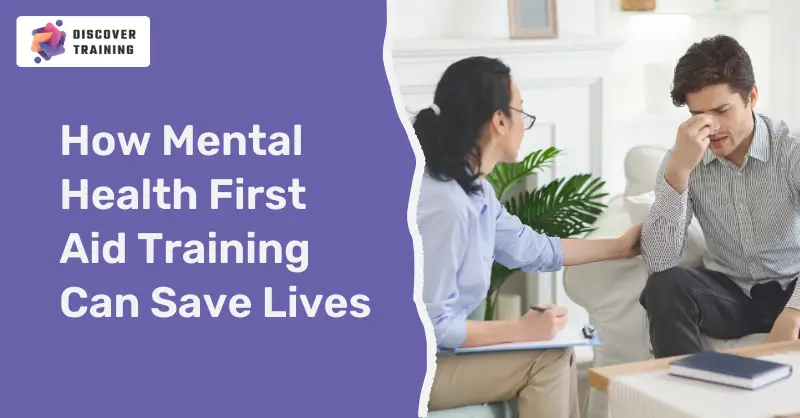
Mental Health First Aid (MHFA) is an internationally recognised training programme that equips individuals with the skills to identify, understand, and respond to signs of mental health issues—potentially saving lives in the process. Just as physical first aid helps you assist someone having a heart attack, MHFA prepares you to help someone experiencing a mental health crisis or developing a mental health problem.
Featured Snippet Definition: Mental Health First Aid is a skills-based training course that teaches people to recognise signs of mental health problems, provide initial help using the ALGEE action plan, and guide individuals toward appropriate professional support. It empowers trained individuals to intervene during mental health crises, including suicide risk situations, bridging the gap between distress and professional care.
Developed in Australia in 2000 and now active in over 25 countries, MHFA has trained millions worldwide. In the UK, MHFA England sets the national standard, with courses specifically designed to address the mental health challenges facing British workplaces and communities today.
The LifeSaving Power of MHFA Training
Every year, thousands of lives are lost to suicide in the UK—many of which could have been prevented with timely intervention. Research indicates that 650 suicides annually (approximately 10% of all UK suicides) could be work-related. These aren’t just statistics; they represent colleagues, friends, and family members who might have been saved if someone had known how to recognise the warning signs and start a lifesaving conversation.
MHFA training addresses this critical gap. It transforms bystanders into confident interveners who can spot early warning signs, initiate supportive conversations, and guide individuals toward professional help before situations escalate into irreversible crises. The training doesn’t create therapists—it creates a vital first line of support that can mean the difference between life and death.
How MHFA Training Saves Lives: The Evidence
| Outcome | Evidence | Source |
|---|---|---|
| Increased Knowledge | 44% increase in mental health knowledge after completing a 2-day MHFA course | PLoS One systematic review and meta-analysis |
| Confidence to Help | Significant improvement in confidence when supporting someone experiencing suicidal thoughts | MHFA research studies |
| Stigma Reduction | Medium-to-large effect sizes in reducing mental health stigma | Published MHFA evaluation research |
| Actual Helping Actions | Trained individuals are more likely to intervene and offer support during real mental health crises | MHFA intervention studies |
| Suicide Literacy | Significant improvements in understanding suicide prevention and support strategies | Mental health literacy research |
Note: Research findings are based on systematic reviews and published studies evaluating the effectiveness of Mental Health First Aid (MHFA) training programmes.

Why Suicide Prevention Matters in Workplaces
– 5,583 suicides were registered in England and Wales in 2021—approximately 115 people die by suicide each week in the UK
– 75% of those who die by suicide are male, with rates at their highest since 1999
– Over 1 in 20 people make a suicide attempt at some point in their lives
– For every suicide death, 135 people are directly affected, including colleagues and workplace communities
Despite these figures, MHFA England’s research reveals troubling gaps in workplace preparedness:
– 75% of employees do not believe suicide prevention is part of their organisation’s mental health strategy
– Only 13% know how to ask a colleague whether they have a plan to end their life
– 33% incorrectly believe asking about suicide can put the idea in someone’s head
– Only 37% say suicide prevention is part of their employer’s wellbeing strategy
The Confidence Gap
While 74% of UK adults say they would ask a colleague if worried about suicidal thoughts, only 40% feel comfortable actually talking about suicide. This disparity—between intention and confidence—is exactly what MHFA training addresses.
The top barriers preventing lifesaving conversations include:
– 52% lack confidence or skills to ask directly about suicide
– 43% worry about how the person might react
– 29% fear asking might “put the idea in their head”
MHFA training systematically dismantles these barriers, replacing fear with confidence and hesitation with action.
RealLife Stories: MHFA in Action
The Bridge Intervention
One powerful example comes from an MHFA course attendee from Care Network Cambridgeshire. Walking with friends at 1:30 am, they noticed an individual standing alone on a bridge looking distressed. While friends continued on, this trained individual and his wife stayed to help.
“It quickly became apparent that the individual was extremely distressed and speaking incoherently,” he recalled. The person was at imminent suicide risk. Drawing on his MHFA training, he physically prevented them from climbing over the bridge wall while his wife called emergency services.
Remembering his training, he focused on keeping the person safe until help arrived. “I told them that I wasn’t going to stand by without helping, I said I couldn’t walk away because I CARED. These two words changed the dynamics. I had eye contact for the first time.”
After 20 minutes of supportive conversation, the individual was out of immediate risk. The trained first aider later confirmed: “I’m aware that my intervention that night saved his life”.
The Colleague in Crisis
At St John Ambulance, mental health first aider Shaun used his training to support a colleague struggling after the abrupt end of a long-term relationship. Recognising the signs of distress, Shaun initiated a supportive conversation using the skills learned in his MHFA course—listening nonjudgmentally, providing reassurance, and guiding his colleague toward professional support.
These stories illustrate a fundamental truth: you don’t need to be a mental health professional to save a life. You need training, confidence, and the willingness to ask, listen, and care.
The ALGEE Action Plan: Your Life-Saving Framework
MHFA training centres on the ALGEE® action plan—a five-step framework that guides interventions during mental health crises:
1. Assess for Risk of Suicide or Harm
When to use: If you suspect someone may be considering suicide or self-harm.
Lifesaving action: Ask direct questions: “Are you having thoughts of suicide?” or “Do you have a plan to end your life?” Research confirms this direct approach reduces risk, not increases it.
2. Listen NonJudgmentally
Why it matters: Many people in crisis have never been truly heard. Your calm, accepting presence creates safety.
Lifesaving action: Give your full attention, maintain eye contact, and resist the urge to immediately “fix” the problem.
3. Give Reassurance and Information
Key message: Mental health problems are common, treatable, and recovery is possible.
Lifesaving action: Offer hope without minimising their pain. Let them know they’re not alone.
4. Encourage Appropriate Professional Help
When to act: If there’s any risk of suicide, immediate professional intervention is essential.
Lifesaving action: Guide them toward GP services, NHS crisis teams, Samaritans at 116 123, or emergency services (999/111).
5. Encourage Self-Help and Other Support Strategies
Longterm support: Help them identify personal coping mechanisms and support networks.
Lifesaving action: Develop a safety plan together, identifying warning signs, coping strategies, and emergency contacts.
Key Benefits of LifeSaving MHFA Training
Immediate Life-Saving Capabilities
– Recognise suicidal ideation before it becomes action
– Ask lifesaving questions with confidence and compassion
– Intervene during mental health crises using proven frameworks
– Prevent escalation through early identification and support
Organisational Impact
– Reduced suicide risk through a proactive workplace culture
– Lower absenteeism—mental health issues account for 51% of all work-related ill health
– Decreased presenteeism—saving an estimated £24–28 billion annually
– Improved retention—73% of employees are more likely to stay with employers offering strong mental health support
Personal Development
– Enhanced confidence in handling difficult conversations
– Reduced personal stigma about mental health
– Better self-awareness of your own mental well-being
– Transferable skills applicable in family, community, and workplace contexts
Financial Returns
Organisations investing in mental health programmes see substantial returns:
– £4.70 returned for every £1 invested (Deloitte 2024 analysis)
– £6.30 return per £1 for universal programmes vs £4.70 for targeted interventions
– 20% reduction in short-term disability claims related to mental health
– 50% decrease in mental health-related disability relapse and recurrence
Who Should Become a Mental Health First Aider?
MHFA training is valuable for anyone, but particularly critical for:
Workplace Roles:
– Managers and team leaders (regular contact with staff)
– HR professionals (handling sensitive situations)
– Health and safety officers (legal duty of care)
– Customer-facing staff (high-stress interactions)
– Shift supervisors (often first to notice changes)
High-Risk Environments:
– Construction sites (male-dominated, high suicide rates)
– Healthcare settings (trauma exposure, burnout risk)
– Emergency services (critical incident stress)
– Education (student and staff wellbeing)
– Financial services (high-pressure environments)
Community Contexts:
– Youth workers (adolescent mental health crisis)
– Sports coaches (performance pressure)
– Faith leaders (community trust)
– Volunteer coordinators (supporting vulnerable groups)

How to Get Certified in Mental Health First Aid
Step 1: Choose Accredited Training
Select MHFA England-accredited courses to ensure quality and recognition. Reputable providers include:
– MHFA England (direct)
– St John Ambulance
– British Red Cross
– Mental health charities (Mind, Rethink Mental Illness)
Step 2: Select Your Format
– Online: Four live sessions (3 hours 45 minutes each) across two weeks
– Facetoface: Two consecutive days (09:00–17:00)
– In-house: Private training for organisations (8–16 participants)
Step 3: Complete the 14Hour Course
The comprehensive programme covers:
– Depression and anxiety recognition
– Suicide crisis first aid
– Psychosis and bipolar disorder
– Nonjudgmental listening skills
– Professional signposting and resources
Step 4: Receive Certification
– Digital MHFAider® certificate (3year validity)
– MHFAider Support App® access (3 years)
– Association of Mental Health First Aiders® membership
– Hard copy resources (manual, workbook, ALGEE card)
Step 5: Maintain Your Skills
Complete an MHFA Refresher course (4–4.5 hours) every three years to stay current and confident.
Learn Life-Saving Mental Health First Aid Skills
Mental Health First Aid training provides more than knowledge—it provides the power to save lives. In a country where 115 people die by suicide each week and 650 annual suicides may be work-related, the ability to recognise warning signs and initiate lifesaving conversations has never been more critical.
Course Overview
The MHFA England Mental Health First Aid course is the UK’s gold standard in suicide prevention and mental health crisis training. This evidence-based programme, developed in partnership with the National Centre for Suicide Prevention Education and Training, equips participants with practical, lifesaving skills through interactive learning and real-world scenarios.
What You Will Learn
– Suicide first aid: How to ask direct questions, assess risk, and keep someone safe until professional help arrives
– Crisis intervention: Recognising and responding to panic attacks, severe anxiety, and psychotic episodes
– Early warning signs: Identifying depression, anxiety disorders, and substance use problems before they escalate
– ALGEE in action: Applying the action plan through roleplay and case studies
– Professional signposting: Navigating NHS services, crisis teams, and community resources
Certification and Ongoing Support
Graduates receive:
– RSPH Level 3 Award (optional accreditation)
– Threeyear MHFAider® certification
– 24/7 text support via Shout crisis line
– Quarterly continuing professional development webinars
– Digital resources and safety planning tools
Career and Personal Value
MHFA certification enhances professional credibility in HR, health and safety, management, education, healthcare, and social care roles. More importantly, it prepares you to save lives in your community, workplace, or family—anywhere you encounter someone in crisis.
Cost: £150–£325 per person (individual); group rates available. Duration: 14 hours over 2 days or 4 online sessions.
Conclusion
Mental Health First Aid training represents one of the most powerful interventions available for preventing suicide and saving lives in our workplaces and communities. With 650 work-related suicides annually in the UK and 115 people dying by suicide each week, the need for confident, trained individuals who can recognise warning signs and initiate lifesaving conversations has never been greater.
The evidence is clear: MHFA training works. It increases knowledge by 44%, significantly improves confidence in handling suicide crises, reduces stigma, and—most importantly—equips ordinary people to perform extraordinary acts of lifesaving intervention. The stories of individuals who have literally pulled someone back from the brink demonstrate that these aren’t just classroom skills—they’re real-world lifelines.
For employers, the investment is compelling: £4.70 returned for every £1 spent on mental health programmes, reduced absenteeism, and the knowledge that your organisation is actively preventing tragedies. For individuals, MHFA certification provides skills that transcend professional boundaries, preparing you to save a life anywhere—at work, at home, or in your community.
Suicide is preventable, and Mental Health First Aid training provides the tools to prevent it. In the time it takes to complete a two-day course, you could gain the skills that one day save someone you know—or someone you don’t. That is an investment worth making.
Take action today: Book your MHFA England training and join the growing network of lifesavers across the UK.
Frequently Asked Questions (FAQs)
MHFA saves lives by teaching people to recognise suicide warning signs, ask direct questions about suicidal thoughts, and intervene before crises escalate. Research shows that asking someone about suicide reduces risk rather than increasing it, and early intervention significantly improves recovery outcomes.
MHFA covers broad mental health issues, including depression, anxiety, and psychosis, with suicide prevention as one component. Suicide First Aid (SFA) is a specialised one-day course focusing exclusively on suicide intervention skills. Both are evidence-based and recommended for comprehensive workplace mental health strategies.
Absolutely. MHFA trains you to provide initial support and signposting, not therapy or diagnosis. You’re a bridge between the person in crisis and professional help. As one lifesaving intervention showed, simply saying “I care” and staying present can prevent suicide.
Skills are immediately applicable. Research shows significant increases in confidence and knowledge directly after training, with one study finding 44% knowledge increase by course end. Many graduates report using skills within days or weeks of certification.
While specific workplace suicide reduction studies are ongoing, research shows that gatekeeper training programmes (like MHFA) significantly increase intervention confidence and actual helping behaviours. Organisations with comprehensive mental health programmes report reduced absenteeism, presenteeism, and improved retention—key indicators of prevented crises.