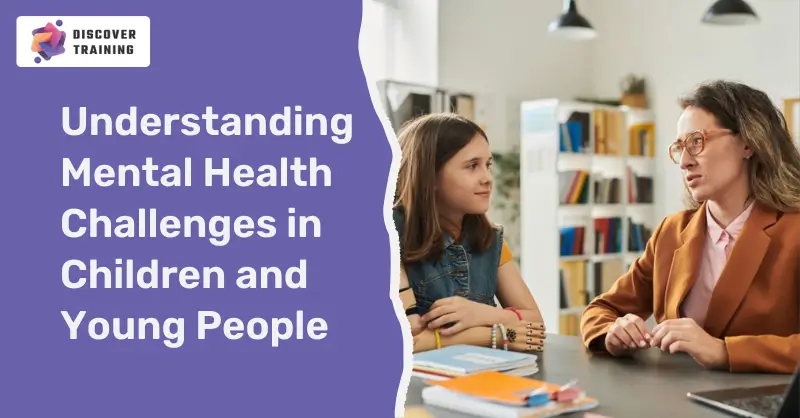
Mental health challenges in children and young people refer to emotional, behavioural, and psychological difficulties that significantly impact their daily functioning, development, and quality of life. These challenges range from common issues like anxiety and low mood to more severe conditions such as depression, eating disorders, and psychosis.
Featured Snippet Definition: Mental health challenges in children and young people are emotional, behavioural, or psychological difficulties affecting 1 in 5 (20.3%) of those aged 825 in the UK. Common conditions include anxiety, depression, ADHD, and eating disorders, often manifesting differently than in adults through behavioural changes, physical complaints, and academic decline.
Unlike adults, children often lack the language skills to express complex emotions. Mental health issues frequently manifest through behavioural changes, physical symptoms, or academic decline rather than verbalised distress. This makes recognition challenging for parents, teachers, and healthcare professionals alike.
Why Understanding These Challenges Matters
The Employability and Life Outcomes Connection
Mental health challenges in childhood have profound long-term consequences. One third of mental health problems in adulthood are directly connected to adverse childhood experiences (ACEs). Early intervention can prevent lifelong difficulties, yet the current system is struggling to meet demand.
The Educational Impact
Poor mental health severely affects educational attainment. 30% of 1116 year olds with a probable mental health condition missed a week or more of school in 2023, compared to just 10% of their peers without mental health conditions. Furthermore, 74% of teachers believe poor mental health negatively impacts pupils’ ability to learn.
The Economic and Social Cost
The cost of mental ill health in England is estimated at £300 billion annually. For children specifically, untreated mental health conditions lead to reduced life chances, increased risk of substance misuse, and higher likelihood of unemployment in adulthood.
Key Statistics: The Scale of the Crisis
Prevalence Rates
| Year | Prevalence (Aged 8–16) | Key Trend |
|---|---|---|
| 2017 | 1 in 8 (12.5%) | Baseline (pre-pandemic) |
| 2020 | 1 in 6 (16.7%) | Initial pandemic impact |
| 2023 | 1 in 5 (20.3%) | 62% increase since 2017 |
Note: These figures highlight a significant rise in mental health challenges among children and young people, especially following the COVID-19 pandemic.
Service Demand and Waiting Times
The demand for Child and Adolescent Mental Health Services (CAMHS) has overwhelmed capacity:
– 910,567 young people were referred to CAMHS in 2023/24
– 78,577 young people waited over a year for treatment—an increase of 52% from the previous year
– 44% of those waiting over a year had waited more than two years
– 385,540 children were still waiting for first contact from community mental health services in March 2025
– 59% of young people report their mental health getting worse while waiting for support
Crisis and Urgency
The situation has reached a crisis point:
– Suicide was the leading cause of death for people aged 535 in England in 2022
– Almost one third (32.8%) of 1724 year olds have self-harmed or attempted self-harm
– This rises to 69.5% among young people with a probable mental health condition
Common Mental Health Conditions in Children and Young People
Anxiety Disorders
Anxiety is the most common mental health condition among children and young people. In 202324, anxiety was the top identified reason for referrals across all age groups:
– Ages 79: 36% of referrals
– Ages 1012: 41% of referrals
– Ages 1315: 30% of referrals
Anxiety manifests as overwhelming fears that prevent children from enjoying play, school, or activities. Physical symptoms include stomach aches, headaches, and sleep disturbances.
Depression
Depressive disorders in children present differently than in adults. Rather than persistent sadness, children often show:
– Irritability and mood swings
– Physical complaints without a medical cause
– Loss of interest in previously enjoyed activities
– Social withdrawal
Neurodevelopmental Conditions
ADHD and autism represent significant portions of CAMHS referrals:
– 88,815 children were waiting for ADHD assessment without any contact
– An estimated 10% of all UK children have autism, with 2535% of those with level 3 autism being nonverbal
Eating Disorders
Eating disorders are rising sharply among young people. The Children’s Commissioner reports increasing numbers of young people with anorexia nervosa, bulimia, and binge eating disorder, which damage relationships with food and can lead to further mental health issues in adulthood.
Conduct Disorders and Behavioural Issues
Behavioural problems often co-occur with other mental health conditions. Conduct disorders were the third most common reason for referral among 56-year-olds.
Crisis Presentations
“In crisis” is now a common presentation across age groups:
– Ages 79: 9.5% of referrals
– Ages 1012: 12% of referrals
– Ages 1315: 17% of referrals
– Ages 1617: 24% of referrals
Early Warning Signs and Symptoms
Recognising mental health challenges early is crucial for effective intervention. Warning signs vary by age but often include:
Behavioural Changes
– Significant withdrawal from friends, family, and activities
– Aggression, restlessness, or exaggerated reactions to minor stimuli
– Dangerous or out-of-control behaviour
– Ongoing refusal to attend school
Emotional Indicators
– Persistent sadness or low mood lasting two weeks or more
– Severe mood swings affecting relationships
– Overwhelming fear without apparent cause
– Emotional outbursts disproportionate to triggers
Physical Symptoms
– Recurring stomach aches or headaches with no medical cause
– Sleep disorders (oversleeping or insomnia)
– Changes in appetite or unexplained weight loss
– Fatigue and reduced physical energy
Academic and Social Signs
– Sudden decline in academic performance
– Difficulty concentrating or hyperactivity beyond age norms
– Withdrawal from usual friend groups
– Expressing difficulty “fitting in” at school
Critical Warning Signs
– Self-harm behaviours (10% of 1315-year-old referrals)
– Expressing thoughts of suicide or self-harm
– Substance misuse (48% of children in substance treatment have co-occurring mental health needs)
Risk Factors and Causes
Individual Factors
– Neurodevelopmental conditions (ADHD, autism)
– Learning disabilities
– Chronic physical health conditions
– Family history of mental health problems
Environmental Factors
– Poverty and deprivation: Children from the least welloff 20% of households are 4 times more likely to experience serious mental health difficulties by age 11
– Adverse Childhood Experiences (ACEs): Including abuse, neglect, parental mental illness, or family breakdown
– Academic pressure: Intense pressure to achieve academically
– Social media and online world: Negative impacts of digital engagement
– Cost of living: 90% of young people worry about earning enough money to support themselves
Pandemic Impact
The COVID19 pandemic significantly affected children’s mental health:
– 94% increase in CAMHS referrals in May 2021 compared with May 2019
– Preschool children showed increased emotional problems and hyperactivity during lockdown periods
– Disruption to education, social interaction, and routine created lasting effects
How Schools Can Support Mental Health
Whole School Approach
Schools are uniquely positioned to identify and support mental health challenges:
– 74% of teachers report that poor mental health negatively impacts learning
– Mental Health Support Teams (MHSTs) are being rolled out to provide early intervention in schools
– Designated Senior Leads for Mental Health should coordinate support strategies
Early Identification
Teachers and school staff should watch for:
– Concentration problems or sudden academic decline
– Increasing anxiety about school or frequent absences
– Withdrawal in the classroom
– Conflicts with classmates
– Changes in behaviour or appearance
Support Strategies
– Open communication between the school and parents
– Pastoral support and counselling services
– Reasonable adjustments for pupils with mental health conditions
– Antistigma programmes (two-thirds of young people report experiencing stigma when seeking help)
– Referral pathways to CAMHS when needed
Navigating CAMHS and Professional Support
Understanding CAMHS
Child and Adolescent Mental Health Services (CAMHS) provide specialist assessment and treatment for children and young people with mental health conditions. NHS England now refers to these services as CYPMHS (Children and Young People’s Mental Health Services), though CAMHS remains widely used.
Accessing Support
Step 1: Speak to your GP, school nurse, or health visitor about concerns
Step 2: Request a referral to CAMHS (some areas accept self-referrals)
Step 3: Initial assessment to determine if CAMHS is appropriate
Step 4: If accepted, join the waiting list for treatment
Step 5: Treatment may include talking therapies, medication, or specialist interventions
Current Waiting Times
The reality of accessing CAMHS is challenging:
– Average wait: 392 days (over a year) in 2023/24
– Only 1 in 10 under18s with suspected diagnoses had their first appointment within the recommended 13 weeks by December 2025
– 171,134 young people had referrals closed before accessing support in 2023/24
Alternatives While Waiting
Given lengthy waits, consider:
– School-based Mental Health Support Teams
– Early support hubs offering drop-in services
– Private therapy (though costly and may not integrate with NHS care)
– Charity support from organisations like YoungMinds, Place2Be, and Barnardo’s
– Crisis services for urgent situations (A&E, crisis lines)
When to Seek Emergency Help
Go to A&E or call 999 if a child or young person:
– Has attempted suicide or serious self-harm
– Is in immediate danger of hurting themselves or others
– Shows signs of psychosis (hallucinations, delusions)
– Has severely restricted eating, leading to physical danger
How Parents and Carers Can Help
Starting the Conversation
– Choose a quiet, private moment
– Use open-ended questions: “I’ve noticed you seem worried lately—can you tell me about it?”
– Validate their feelings: “That sounds really difficult”
– Avoid dismissive responses: “You’ll grow out of it” or “It’s just a phase”
Practical Support Strategies
Maintain routine and structure—predictability reduces anxiety
Encourage physical activity—exercise improves mood and sleep
Limit screen time—especially before bed
Promote healthy sleep habits—85% of children with mental health conditions experience sleep disruption
Model healthy coping—demonstrate how you manage stress
When to Seek Professional Help
Seek professional support if:
– Symptoms persist for more than a few weeks
– Daily functioning is significantly impaired
– There are signs of self-harm or suicidal thoughts
– Physical symptoms have no medical explanation
– School performance has markedly declined
Common Mistakes and How to Avoid Them
Mistake 1: Dismissing Symptoms as “Just a Phase”
The Problem: Attributing serious mental health challenges to normal developmental stages delays intervention.
The Solution: Take persistent changes seriously. While mood swings are normal in adolescence, symptoms lasting weeks or months require attention.
Mistake 2: Focusing Only on Behaviour, Not Underlying Causes
The Problem: Punishing behavioural symptoms without addressing root causes worsens distress.
The Solution: Look behind the behaviour—aggression may mask anxiety, withdrawal may indicate depression.
Mistake 3: Delaying Professional Help
The Problem: Waiting lists are long, so families delay seeking help until the crisis point.
The Solution: Refer early. Even if waits are lengthy, getting on the list is crucial. Early intervention prevents escalation.
Mistake 4: Neglecting Self-Care for Parents
The Problem: Parental mental health significantly impacts children. Children whose parents have mental health problems show higher symptom severity.
The Solution: Parents must seek their own support to effectively help their children.
Mistake 5: Stigmatising Mental Health
The Problem: Two-thirds of young people experience stigma when seeking help, preventing them from accessing support.
The Solution: Normalise mental health conversations. Model acceptance and understanding.
Learn About Child Mental Health with Professional Training
Course Overview
Professional child mental health training provides essential knowledge and skills for educators, healthcare professionals, social workers, and parents supporting children and young people with mental health challenges. With 1 in 5 children now experiencing probable mental health conditions, understanding how to recognise, respond to, and support these challenges has never been more critical.
Key Benefits
– Evidence-based knowledge: Learn current research on prevalence, risk factors, and protective factors
– Early recognition skills: Identify warning signs before conditions escalate to crisis
– Practical strategies: Implement support techniques grounded in best practice
– Safeguarding compliance: Understand legal responsibilities and referral pathways
– Career advancement: Meet CPD requirements for teachers, social workers, and healthcare staff
Skills You Will Gain
Upon completion of children’s mental health awareness training, you will be able to:
– Recognise early signs of anxiety, depression, self-harm, and eating disorders in children
– Understand the impact of trauma, ACEs, and environmental factors on mental health
– Implement age-appropriate support strategies in educational and care settings
– Navigate CAMHS referral pathways and understand waiting time challenges
– Apply safeguarding principles to protect vulnerable children
– Support parents and carers in promoting positive mental health
– Contribute to whole-school or organisational mental health strategies
Career and Practical Applications
Child mental health training supports:
– Teachers and teaching assistants implementing pastoral care
– School nurses and pastoral leads coordinating MHST provision
– Social workers safeguarding children with mental health needs
– Healthcare professionals in primary care and paediatric settings
– Parents and carers seeking to support their children effectively
– Youth workers and sports coaches in community settings
Conclusion
Understanding mental health challenges in children and young people is one of the most pressing issues facing UK society today. With 1 in 5 children now experiencing probable mental health conditions, and services struggling to meet unprecedented demand, every adult working with or caring for children must be equipped to recognise and respond to these challenges.
The statistics paint a sobering picture: record waiting times, rising self-harm rates, and suicide as the leading cause of death for young people. Yet within this crisis lies opportunity. We know that early intervention works, that supportive environments protect, and that understanding reduces stigma.
For educators, healthcare professionals, social workers, and parents, investing in child mental health awareness training is not just professional development—it is a vital contribution to safeguarding the next generation. By learning to recognise early warning signs, implement supportive strategies, and navigate referral pathways effectively, you can make a tangible difference in a child’s life trajectory.
The mental health crisis affecting our children and young people demands urgent action at the policy level, but individual understanding and support matter enormously. Start by learning more, talking openly about mental health, and advocating for the children in your care. Every early identification, every supportive conversation, and every appropriate referral contributes to better outcomes for young people facing mental health challenges.
Frequently Asked Questions (FAQs)
In 2023, approximately 1 in 5 (20.3%) children aged 816 had a probable mental health condition—up from 1 in 8 (12.5%) in 2017. For 1719 year olds, the rate is even higher at 23.3%. This represents a 62% increase in prevalence over six years .
Early signs include persistent behavioural changes (withdrawal or aggression), physical complaints without medical cause (stomach aches, headaches), sleep disturbances, declining academic performance, emotional outbursts, and loss of interest in previously enjoyed activities. Duration and severity distinguish normal development from concerning symptoms .
In 2023/24, the average wait for CAMHS treatment was 392 days (over a year). 78,577 young people waited over a year, with 44% waiting more than two years. Only 1 in 10 under18s with suspected diagnoses had first appointments within the recommended 13 weeks by late 2025 .
Yes. Prevalence has risen from 12.5% in 2017 to 20.3% in 2023—a 62% increase. The rise is most notable in girls aged 1719 (32% prevalence) and is attributed to pandemic effects, cost of living pressures, academic stress, and increased awareness leading to better identification .
While waiting for CAMHS, children can access schoolbased Mental Health Support Teams, early support hubs, charity services (YoungMinds, Place2Be), private therapy, and crisis services for urgent needs. However, 59% of young people report their mental health deteriorating during the wait .